
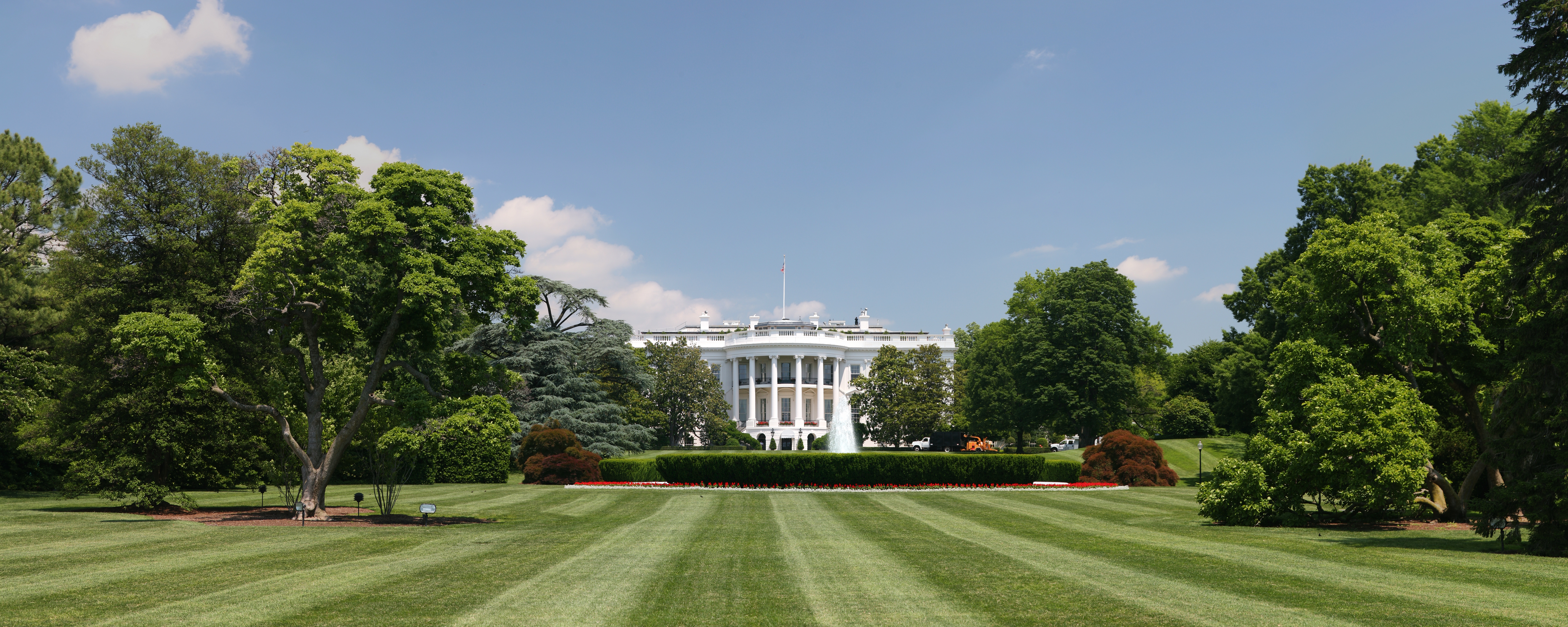
Ring of Presidents
The Ring of Presidents goes around the outer part of the rotunda, tracking the history of the office of president from 1789 to the present day. As time goes on and you walk along the Ring of Presidents, the power of the Commander in Chief gradually increases, resulting in a position very different from what it started as.
The Evolution of the Presidency
“The executive power shall be vested in a President of the United States of America. He shall hold this office during the term of four years, and, together with the Vice President, chosen for the same term, be elected…”
These words, found in Article II, Section I of the Constitution, are the foundation of the modern presidency. However, this modern presidency is very different from what the founders of our republic would have known or envisioned. As time has gone on, our country has weathered many storms, and they have often resulted in the powers of the president being stretched or expanded. The path has not been straight, however, and there have been times where the president has held less power than before. Nonetheless, the president today is a far more important, influential, and powerful man than in 1789.
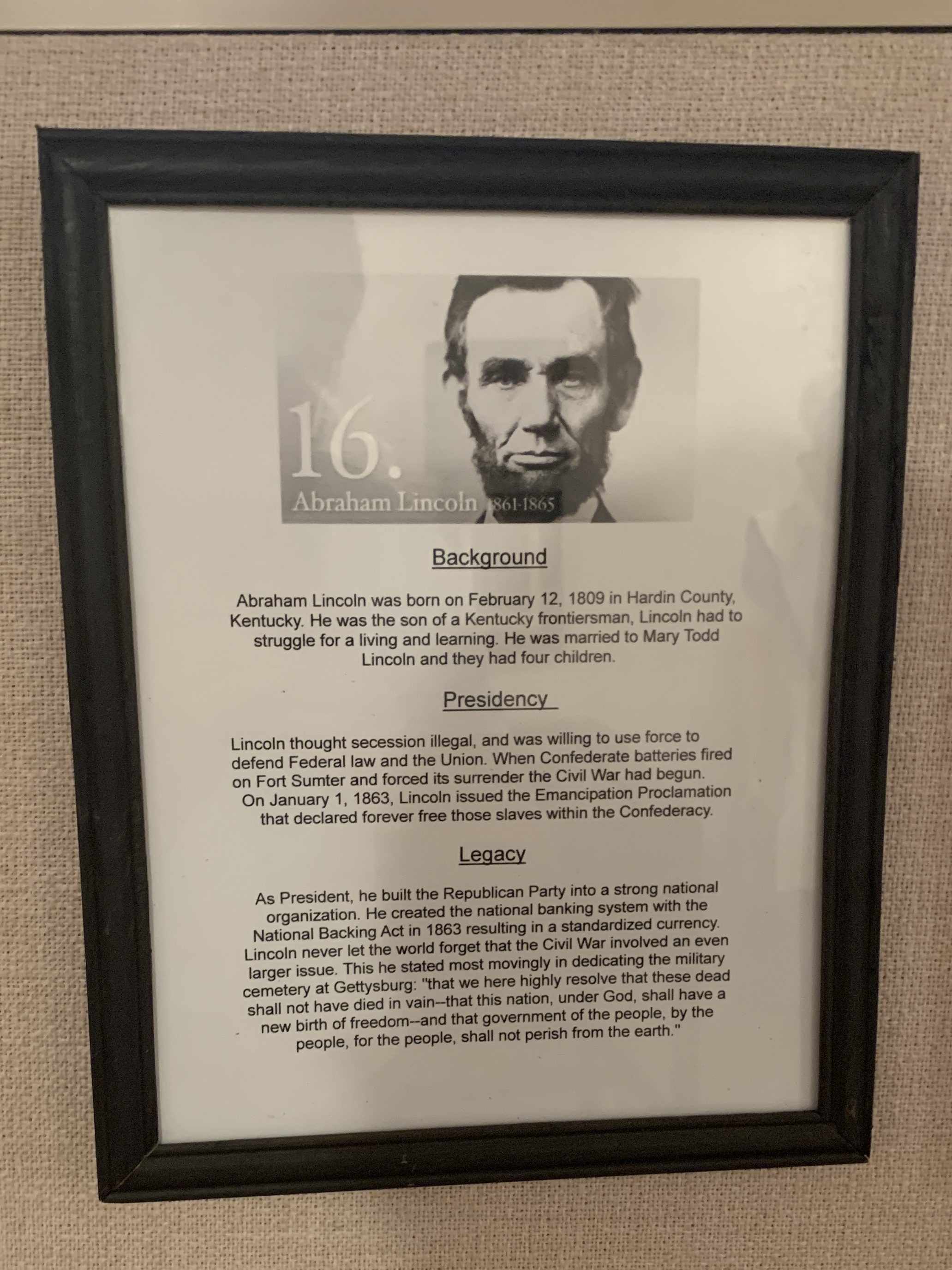
As the first president, George Washington insisted on the presidential right to appoint and remove cabinet ministers, as well as established the President’s role in the nation’s diplomatic relations. However, the presidency remained very weak, mostly due to the small size of the federal government, the dominance that Congress played in domestic politics, and a presidential culture of restraint.
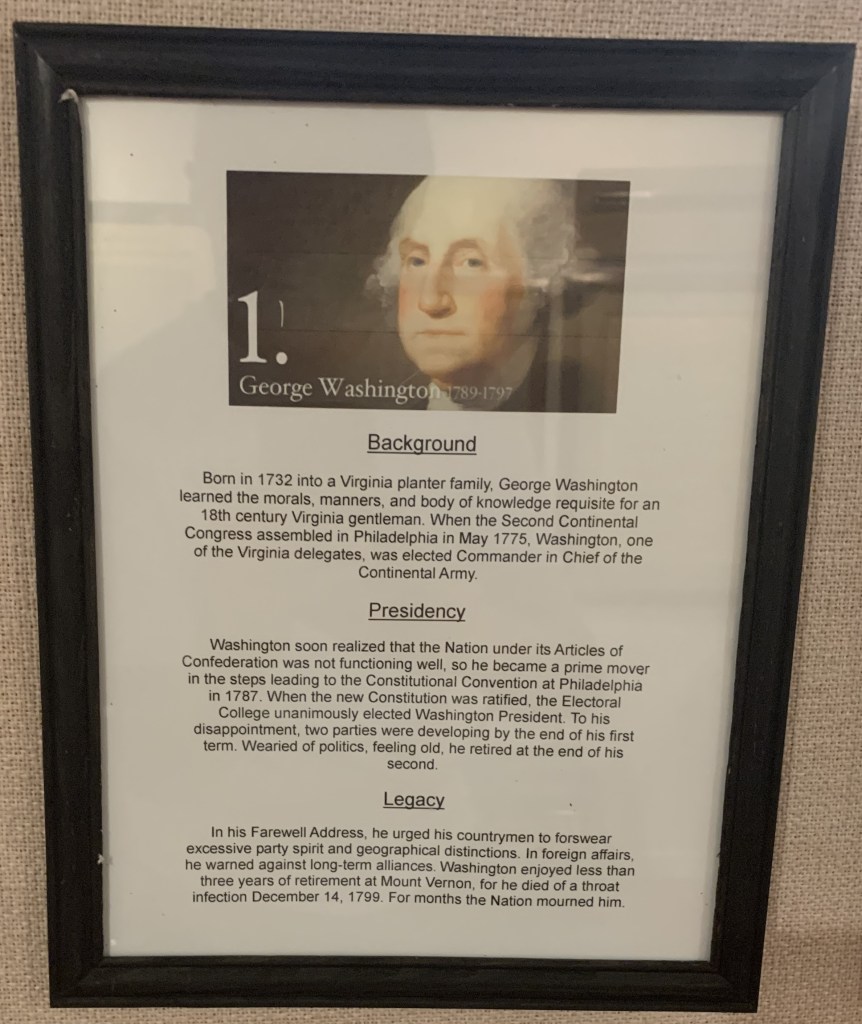
The election of Andrew Jackson in 1828 was a landmark one. It was the first one in which most of the states did not have property requirements to vote, and it saw massive popular support for Jackson, the face of the newly formed Democratic party. Jackson used his strong personality and aggressive style to engage with the public. He actively used his veto power in political disputes – something not seen before. All of this created an image of a very strong president. However, Jackson’s presidency was more one of breaking tradition and pushing a more active style of presidency that depended on a strong, charismatic leader.
As the able leadership of Jackson left, and weaker political leaders took his place, Congress reasserted itself and the president’s power waned. This remained the prevailing trend until the Civil War.
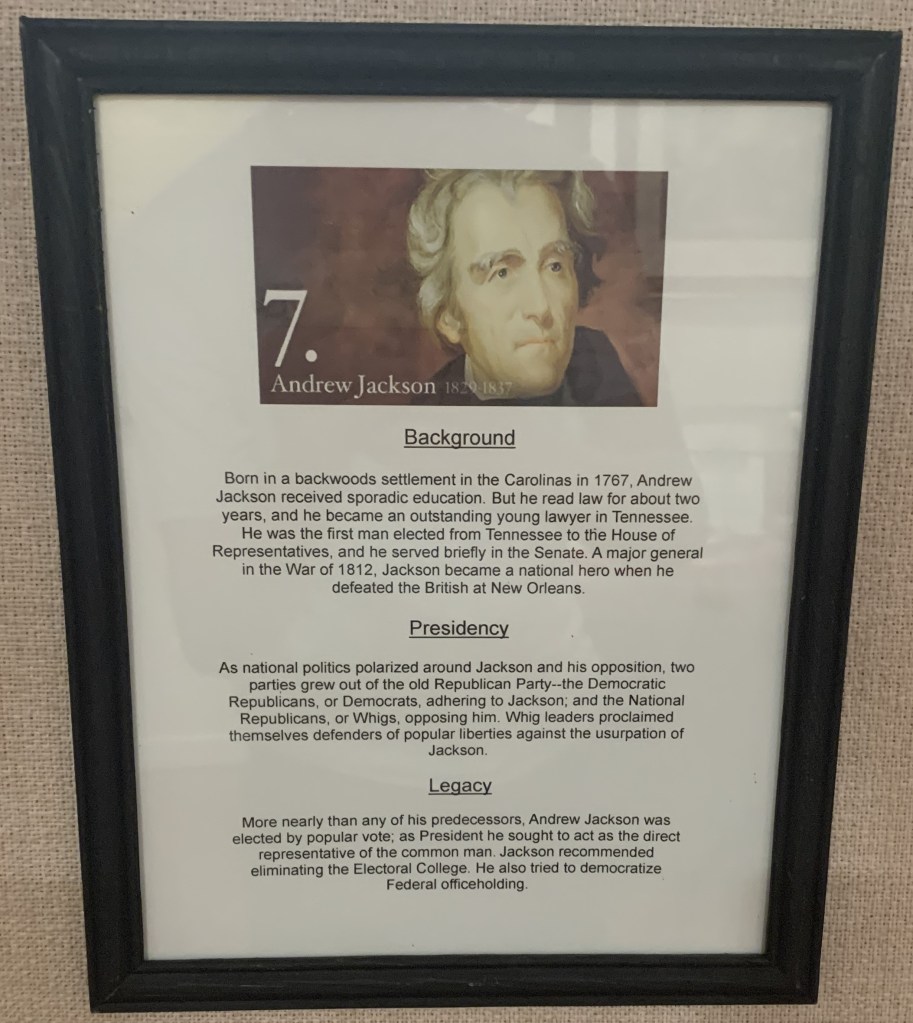
With the national emergency, President Abraham Lincoln greatly increased his own presidential power for the purposes of executing the war. He called up state militias and formed a national army. He suspended habeas corpus and issued the Emancipation Proclamation. Many of his actions were of dubious legality, although they were accepted by the people and the Supreme Court because of the emergency. However, Lincoln did not move to increase his domestic power, and left much of the lawmaking to Congress, as was traditional.
In the years following the Civil War, the President’s authority dwindled back down. Congress took measures to prevent excesses in executive power. Corporations and interest groups dominated the resurgent Congress, which the president was forced to march along with. There were rare examples of Presidents defying congress and showing their authority in emergency-type situations, but these are the exception – not the rule.
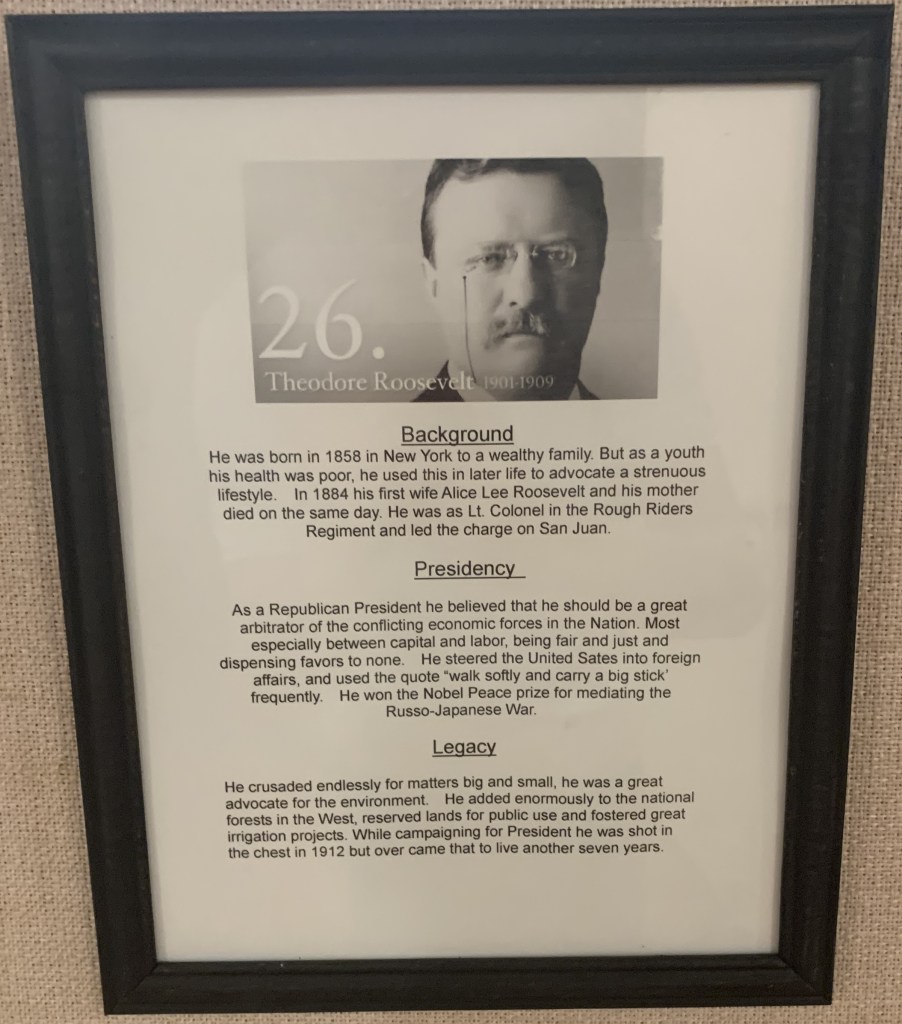
Then, with Theodore Roosevelt, Woodrow Wilson, and the progressive era in politics, the president’s power began a period of rapid growth. Roosevelt and Wilson fought with congress and took aggressive foreign policy actions. Both made use of the media to build popular support and to pressure Congress, and they – like Andrew Jackson – broke the unwritten rules against engaging directly with people. This time, the change would be permanent. Importantly, they also worked with Congress to get specific legislation passed – something that all future presidents would do.
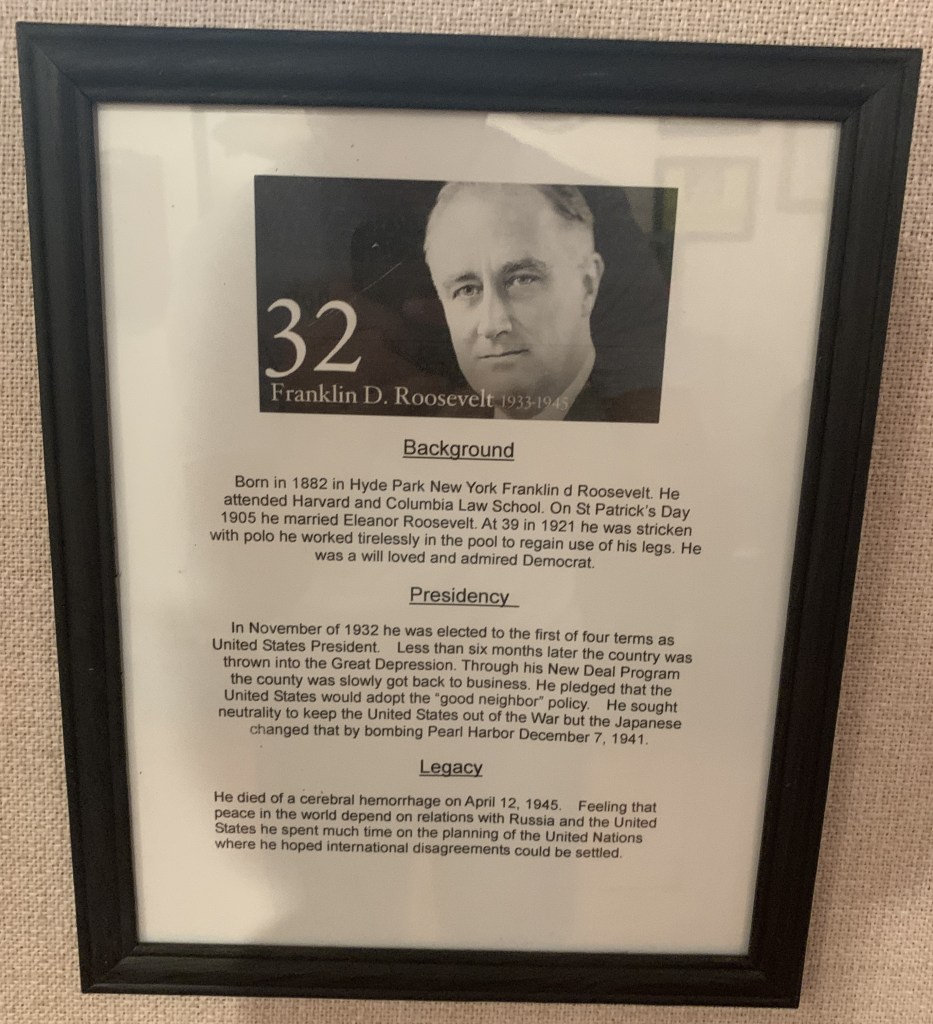
However, it was Franklin Roosevelt, elected in 1932 during the Great Depression, that built the modern presidency. Commanding immense popular support during a time of crisis, and riding off a wave of new voters, he had all of the factors that allowed previous presidents to increase their power. Roosevelt tripled federal spending and issued over 2,500 executive orders. Congress, in passing many of Roosevelt’s New Deal policies, allowed for the creation of several new departments, all managed in part by the executive branch. It has been this – the continual expansion of the federal government – that has given rise to the current executive system. The modern presidency is a massive, bureaucratic machine that is at least equal to Congress in power, and something that the first presidents would struggle to recognize.
This Ring of Presidents was made as a separate Eagle Scout Project

