Sand From the Beaches of Normandy and Iwo Jima
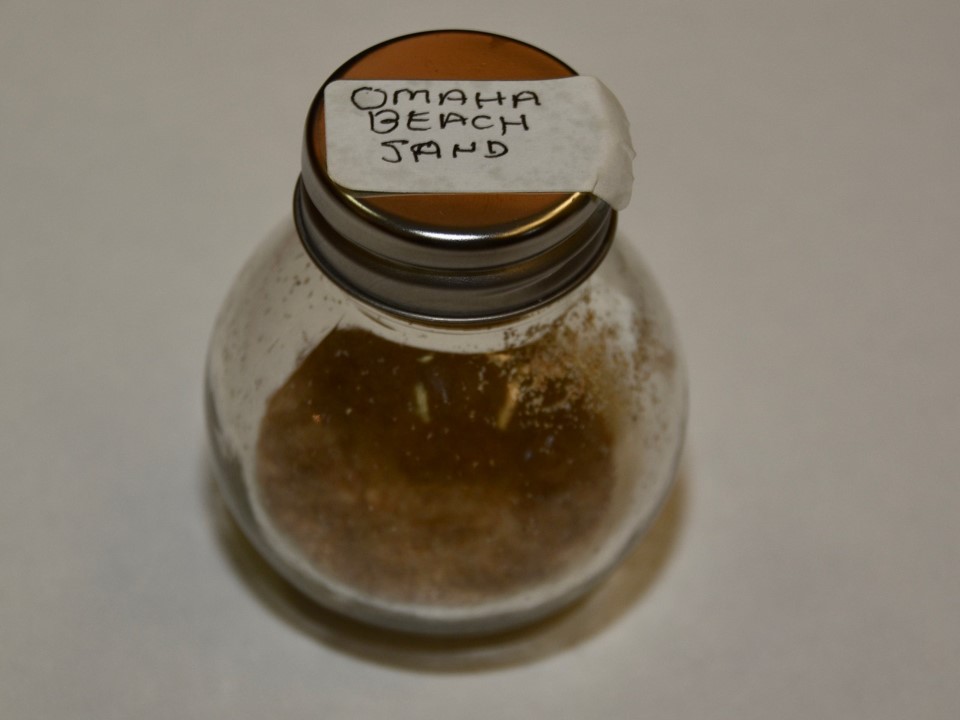
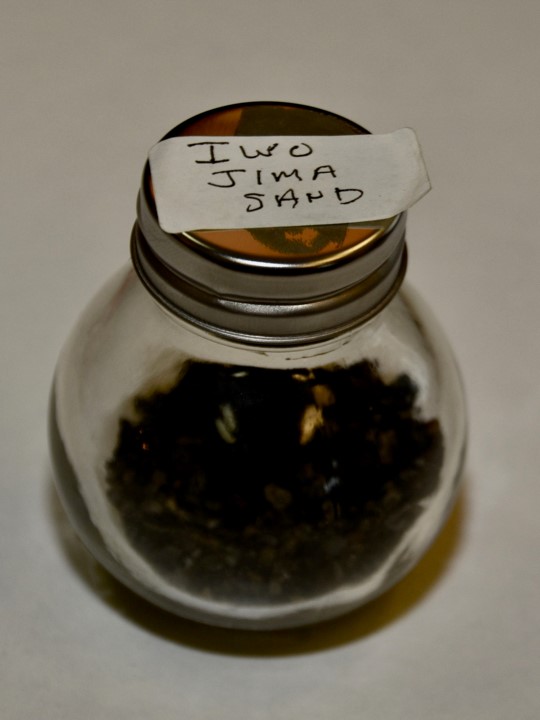
This exhibit contains two jars of sand from Omaha beach and the beaches of Iwo Jima – two of the most important naval invasions of World War II. Each one contributed to the defeat of Nazi Germany and Imperial Japan, respectively. Note the black volcanic rock that makes up the sand from Iwo Jima.
Omaha Beach
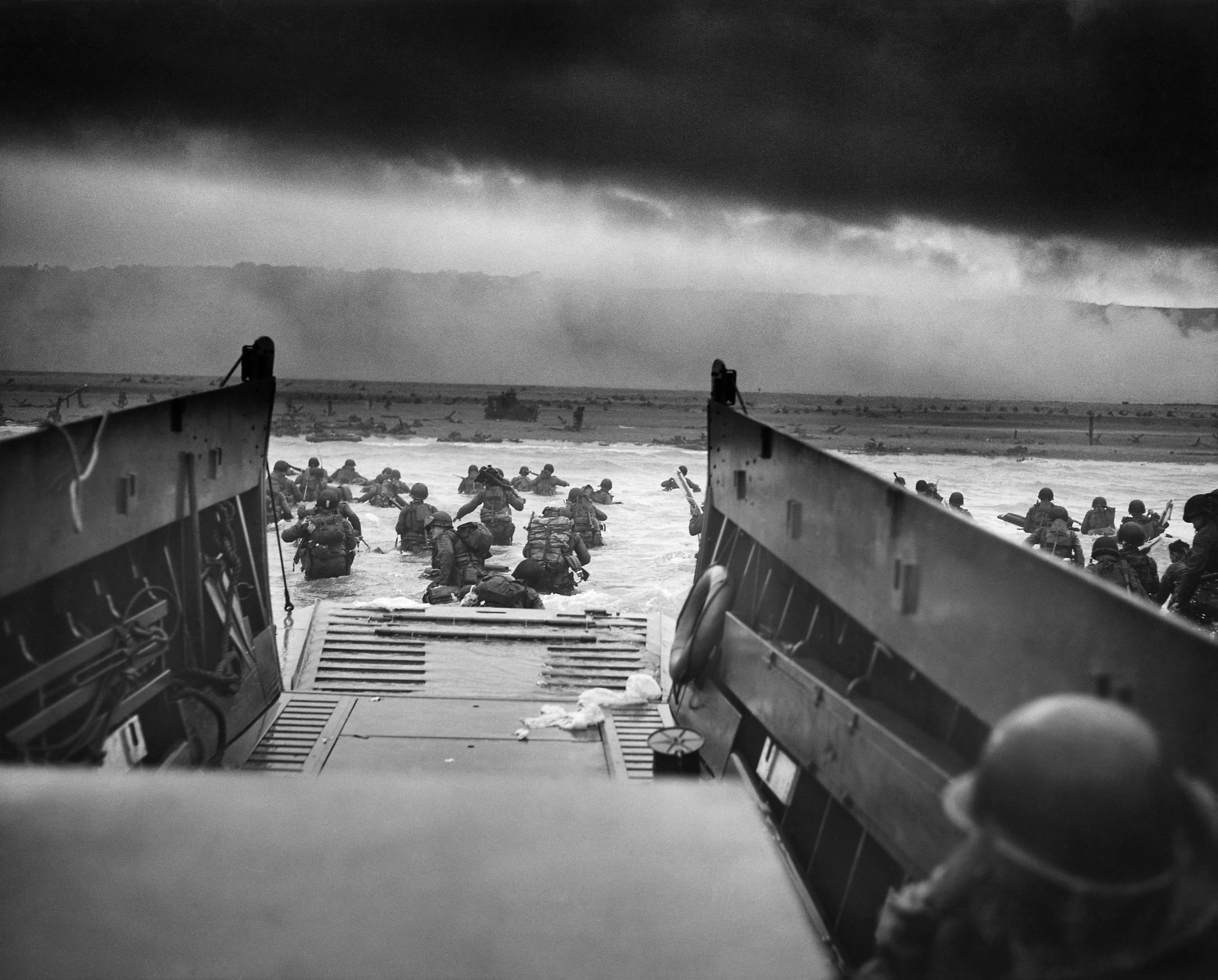
At the Tehran Conference in 1943, Allied leaders from the “Big Three” – the United States, the United Kingdom, and the USSR – decided that a naval invasion of the north of France would be staged in 1944 to liberate France and open a second major front in Europe. Western Allied commanders, led by American general Dwight Eisenhower, decided the invasion should land in Normandy, in northern France. They separated the region into five landing beaches, with the Americans set to land at Omaha and Utah, and the British and Canadians at Juno, Gold, and Sword. The invasion was named Operation Overlord but is better known today as D-Day.
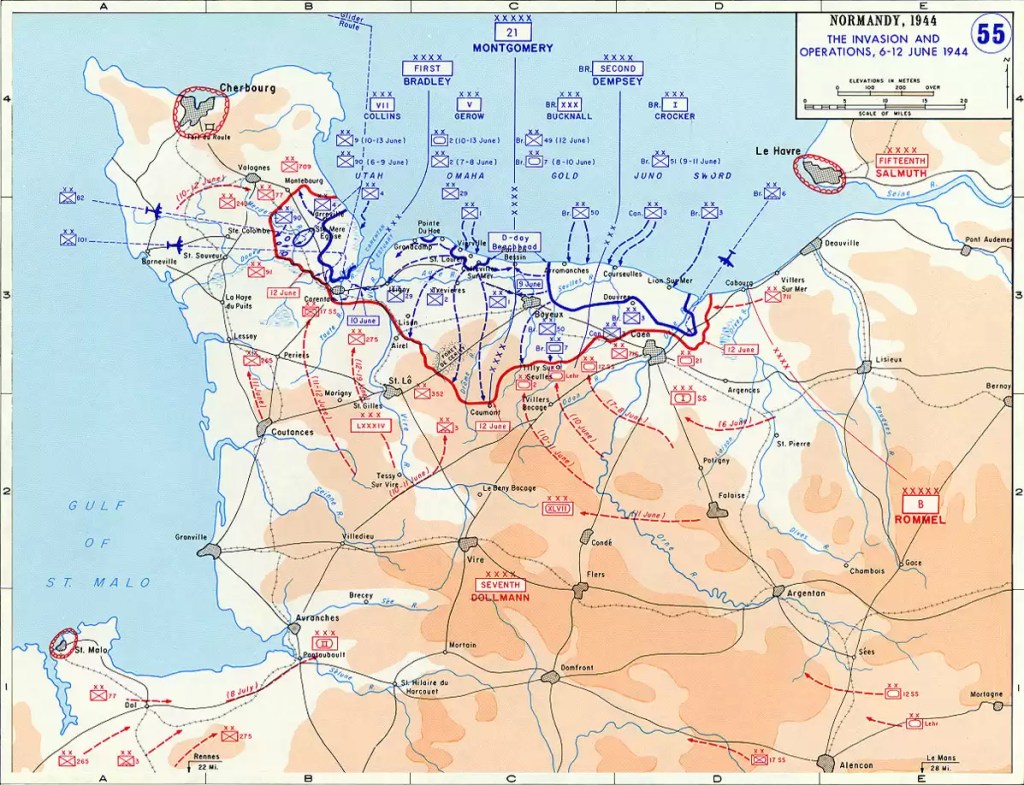
Omaha beach was the most heavily defended beach in the landing area, and it was protected not only by German pillboxes, but also high cliffs and steep bluffs. Any attack would be fired upon from the high ground from multiple sides (due to the crescent-shaped curve of the beach). Naval fire and aerial bombing did little to weaken German defenses, and an experienced German infantry division lay in reserve near the beach. In the early morning hours of July 6, 1944, American men stormed the beach in several waves, suffering heavy casualties and experiencing severe disorganization. Eventually, they pushed up the pathways between bluffs and managed to secure the high ground by the beach. By late afternoon, the German forces had surrendered. However, the American forces were not secure in their beachhead, having only pushed about a mile inland due to the heavy fighting. During the battle, the Allies suffered 4,235 casualties, including over 777 men killed. The fighting was the hardest and most vicious out of all the D-Day landings, and the men who fought there are remembered to this day for their bravery and sacrifice.
Iwo Jima
In the Pacific theater against Japan, Allied forces adopted a strategy of “island-hopping,” where small islands, each closer to the Japanese home islands, were invaded and occupied to increase pressure on the nation and prepare for an invasion of the homeland. One such island was that of Iwo Jima, far to the south of Japan. In the increasing American bombing raids on Japanese cities, Japanese interceptors taking off from Iwo Jima posed a serious threat, leading the army to begin plans for a naval invasion of the island. The island was barely 10 square miles in area, and was protected by extensive Japanese bunkers, pillboxes, and other defenses.
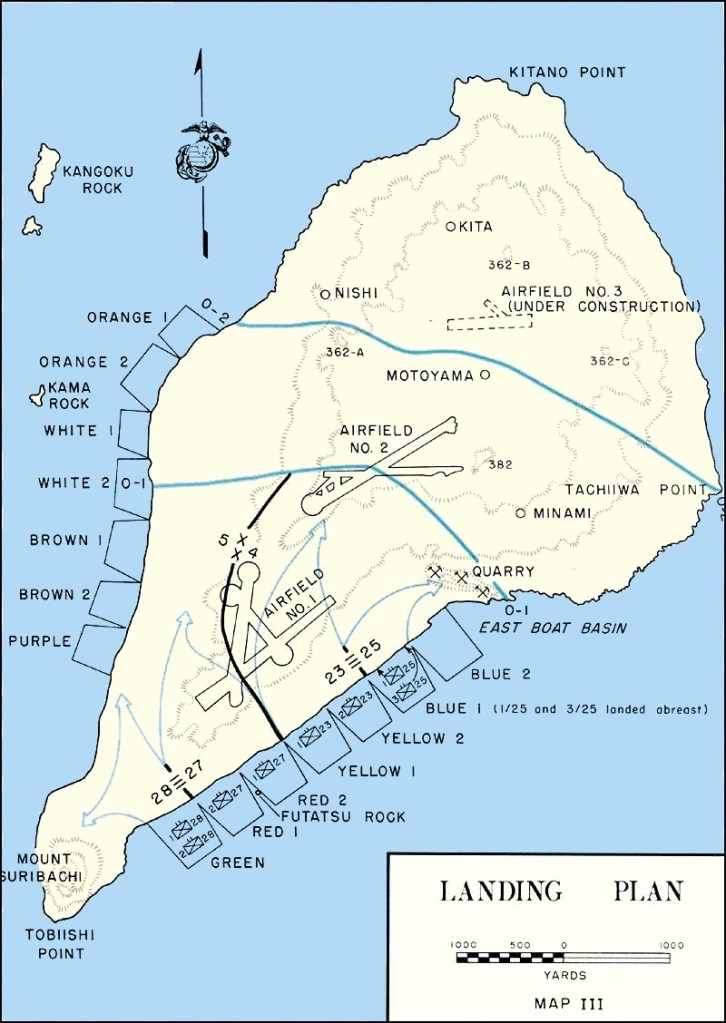
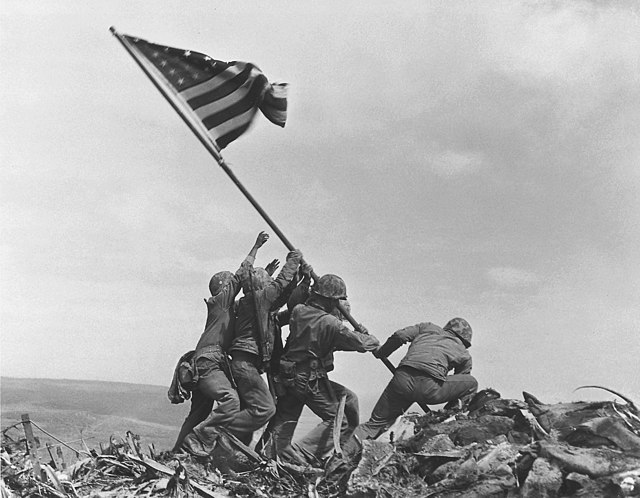
On February 19, 1945, the initial assault on Iwo Jima began following months of naval bombardment. The Marines managed to secure a beachhead despite difficult terrain and stubborn Japanese resistance. Over the next 36 days, around 75,000 Marines desperately fought across the island, slowly capturing important hills and airfields. One of these was Mount Suribachi, on which the famous photo of the flag raising was taken on February 23, 1945. The fighting was slow, and the Japanese made the heroic Marines pay for every inch in blood. The Japanese doggedly held onto their positions and led surprise attacks in attempts to prevent the American capture of the island, with the last fighting concluding on March 26, 1945. Of the approximately 20,000 Japanese soldiers who fought in the battle, only 216 men surrendered, with about 3,000 trying to hide in the jungles (they were eventually either killed or captured). 5,931 Marines died in the combat, with an additional 209 men from the Navy killed. 27 Medals of Honor were awarded to men who fought at Iwo Jima – more than any other battle in history.