Pieces of the Berlin Wall
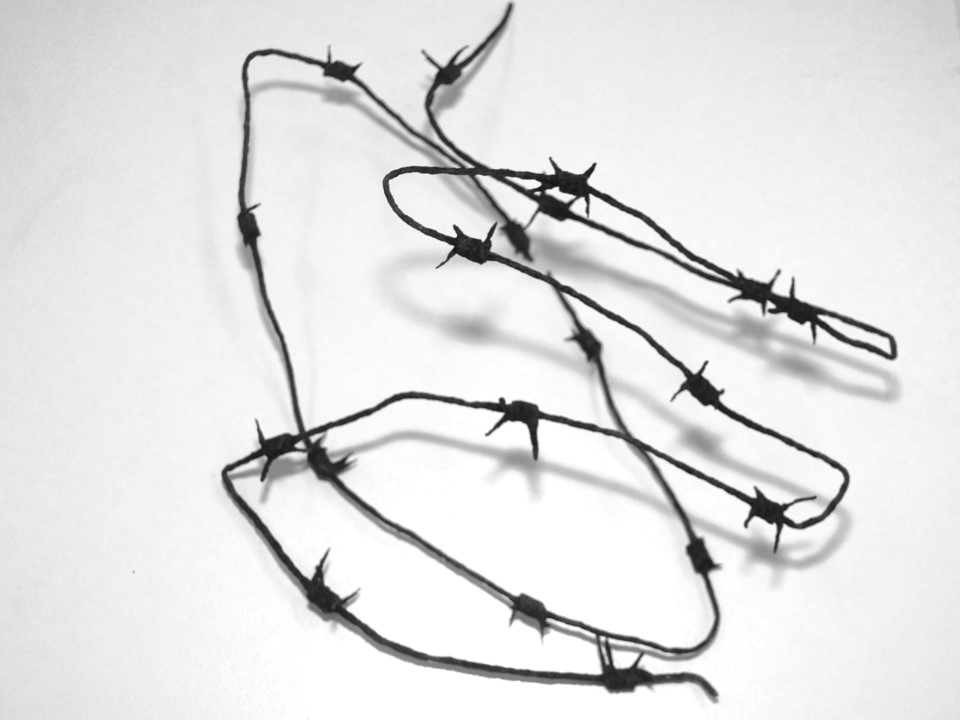
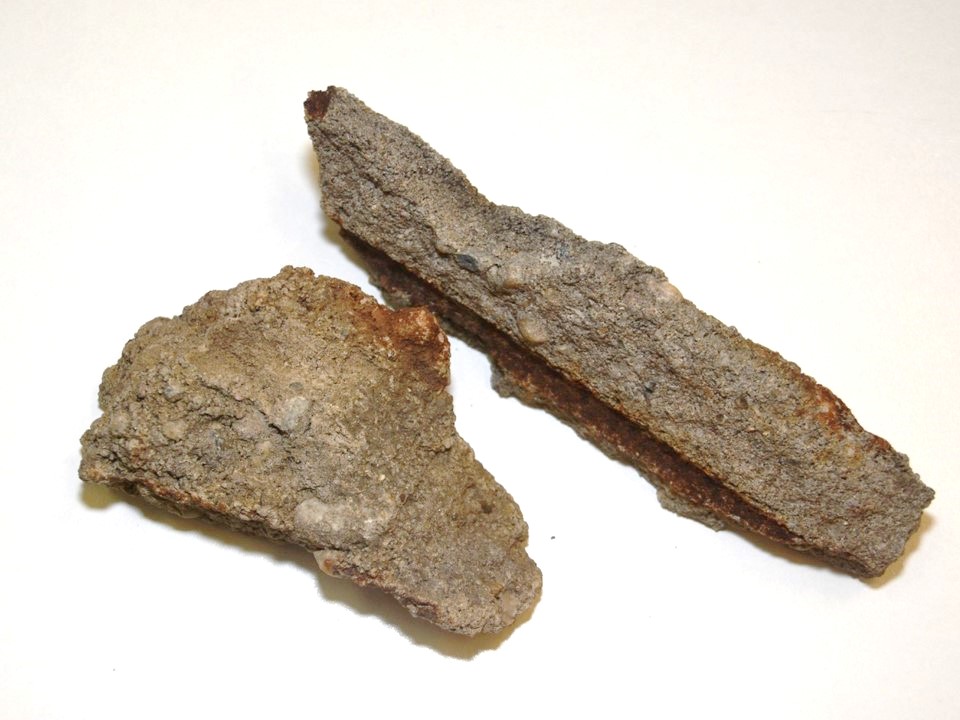
Inside this case are several pieces of concrete and barbed wire from the Berlin Wall, one of the most important symbols of the Cold War.
Origins of the Berlin Wall
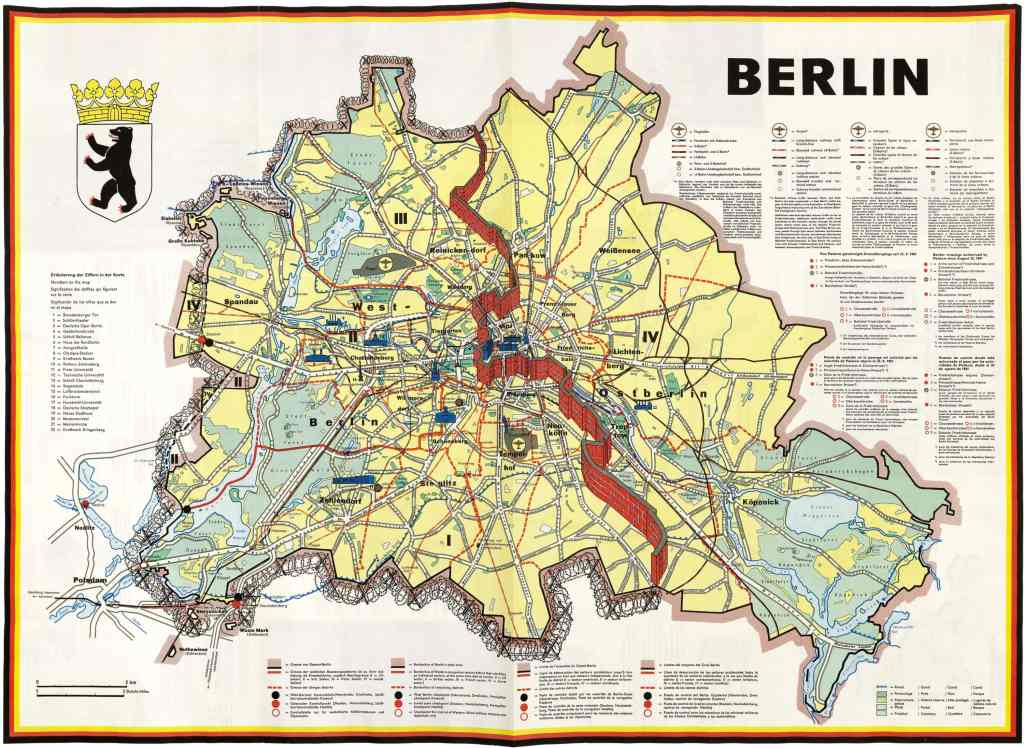
Following World War II, Germany was divided into four occupation zones by the victorious Allies. The capital city of Berlin, which was entirely inside the Soviet zone, was also divided up. These zones were intended to be temporary occupations, but as the Cold War began, these divisions became more permanent. In 1949, the western allies (France, the United Kingdom, and the United States) merged their occupation zones to form the capitalist and democratic Federal Republic of Germany (West Germany). In response, the Soviets turned their occupation zone into the German Democratic Republic (East Germany), a communist dictatorship.
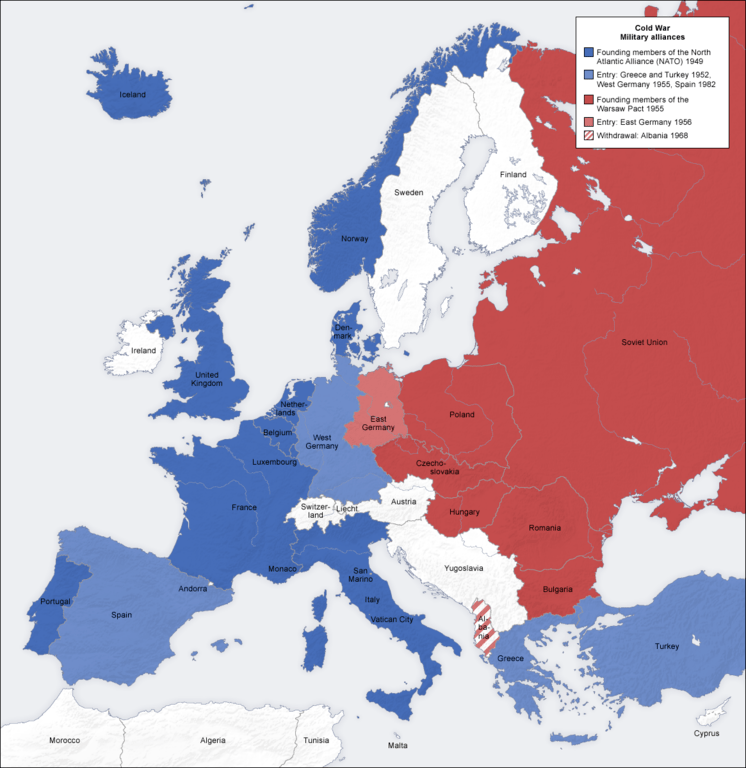
The East German people living in Berlin could see the increasing wealth of the West Berliners and fled across the borders for economic and political freedom. When they were unable to force the western powers out of Berlin, the East Germans and Soviets decided to prevent East Germans from leaving. On August 13, 1961, the border checkpoints between East and West Berlin were closed with barbed wire. A few days later, a wall was built.
The Wall
Through the mid-1960s and 1970s, the East German government improved the border wall, destroying buildings and adding a second inner wall to create a barren “death strip” separating East and West Berlin. Floodlights, guard dogs, and watchtowers were used to deter and detect attempted escapes. The border was guarded by a special section of the East German army, and the guards were given permission to open fire on escapees who did not respond to orders to stop. In total, over 600 people died attempting to escape from East Berlin. In a propaganda measure, the East German government called the wall the “Anti-Fascist Protection Barrier.”
The wall became a powerful symbol of the Cold War and the divisions between the free west and the communist east. The imprisonment of East Germans within their country was a clear symbol to the rest of the world of the lack of freedoms in the Eastern Bloc, and the west took advantage of it. In 1963 President Kennedy famously said “Ich bin ein Berliner” to show solidarity with both the free and unfree residents of the divided city. Perhaps even more famously, President Reagan cried “Mr. Gorbachev, tear down this wall!” at a speech in 1987. Little did he know, this was not far away.
The Fall
In 1985, Mikhail Gorbachev, the leader of the Soviet Union, began a program of liberalizing the economy and democratizing the system within the USSR. This gave hope to the people of the Eastern Bloc, and in 1988 Gorbachev ended the policy of using force to prevent change in the Eastern Bloc. However, the East German government stubbornly refused to make any steps toward ending its dictatorship, and a mass protest movement began in the late 1980s.
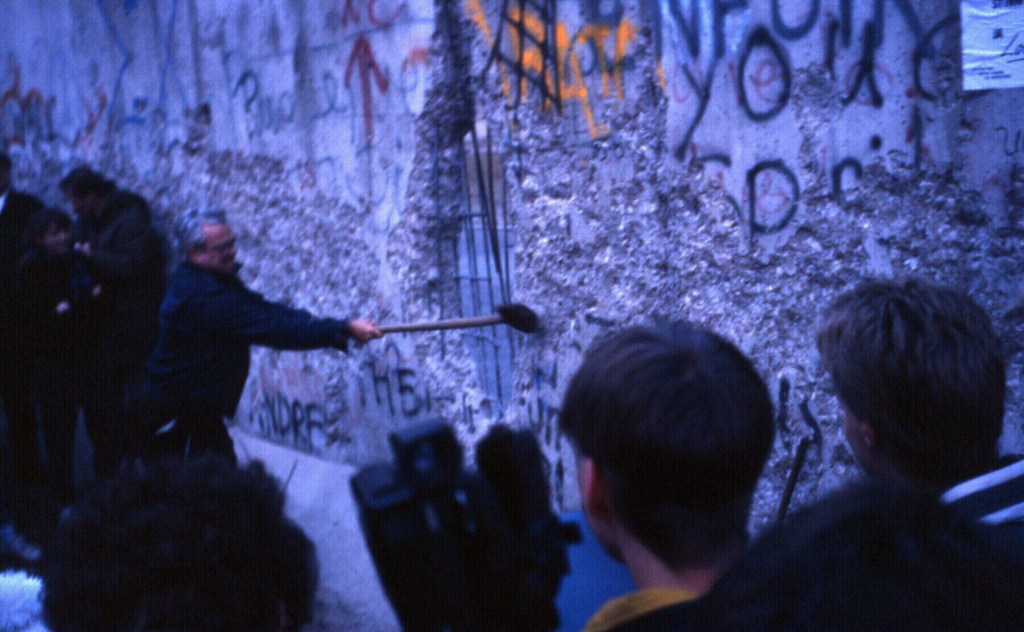
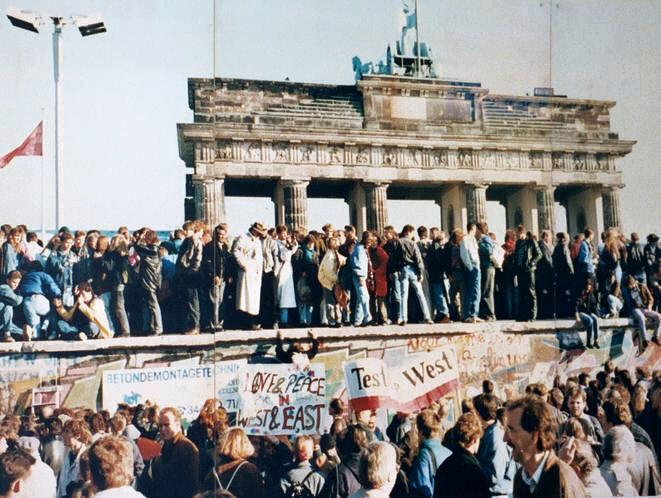
It eventually became clear that without support from the Soviet Union, East Germany would die. Attempts to get Soviet help failed, forcing the East German government began making changes. One of these was a new policy opening up the borders to West Berlin, something that was accidentally announced at a press conference on November 9, 1989. The news motivated crowds of Berliners to rush to the border demanding to be let over. Border guards, overwhelmed by people, no longer shot back. People crossed the border legally for the first time in 28 years. Soon, the people began demolishing the hated wall, bringing in a new age for Germany, and representing the coming end of the Cold War. Germany would reunite in 1990.